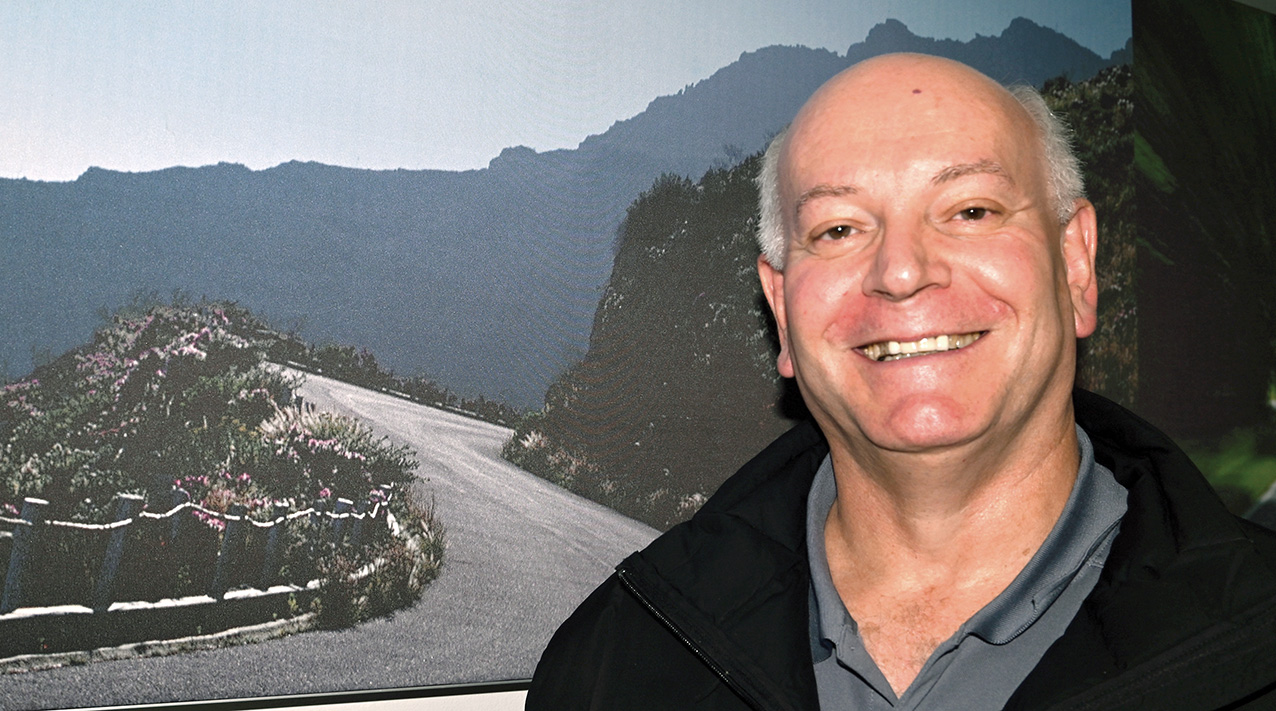
INTERVIEW WITH DEON SMIT, CRA CHAIRMAN
Automotive Refinisher took time out to interview Deon Smit, Chairman of CRA and find out how their journey over the past 13 years has been and what the CRA are working towards in the future.
Q. The Collision Repair Association (CRA) has been around for 13 years. What for you, stands out as its biggest achievement?
A. The CRA has made a major contribution in several facets. Our highly skilled membership now takes care of over 50% of all insured vehicle repairs in the South African marketplace.
We are very proud of that achievement. This has been achieved by a committed team who have provided a nucleus of excellent standards and professional capability to improve the levels of customer satisfaction for all stakeholders, by treating policy holders fairly.
It is not and won’t be just an organisation with a ‘one size fits all’ drive for every single shop out there. We touch on points of conduct and accountability in the industry and take this seriously.
The result is strong customer satisfaction, with very few complaints – and when they do arise – they’re resolved quickly. That credibility has become a cornerstone of our reputation.
Q. The relationship between repairers and insurers is often complex. Are insurers keeping up with modern vehicle technology?
A. I don’t think that any prospective vehicle owner could have envisaged the electronic wizardry that is now included in today’s cars going forward. It is quite staggering to keep up! Vehicles have become incredibly advanced – essentially, they are quite simply “computers on wheels” – and that’s changed the repair landscape dramatically.
Some short-term motor book insurers are failing as they continue to take a short-term view on profitability as their number one objective in the entire process of damage repair. Cash-in-lieu payments from direct call insurers all too often denude our workshops of repairable cars as well as unhappy customers. The good news is that insurers are starting to realise that poor outcomes lead to high customer churn rates, which simply isn’t sustainable.
Q. Write-off rates are rising globally. How is the local industry coping?
A. Globally vehicle write off rates have become an alarming reality for us to contend with. As a nation were not alone in this developing world trend. The reliance on photo-based assessments often fail to spot hidden or electronic damage. Fraud in this area is growing as well due to AI’s ability to generate photographs of damaged vehicles. Accurate repairs require skilled assessors – something the industry currently lacks, sadly.
One of the association’s key emphasis areas is clear communication with customers during the assessment and repair process. Keeping clients informed reduces friction and improves trust, which is critical in a high-stress claims environment.
Q. Labour rates remain a contentious issue. Can repairers sustain urrent pricing structures?
A It’s common practice for insurers to downgrade their labour allowance for repairers in body shops by close to less than 50% of the current rate allowed for mechanical repair which doesn’t even match up with official inflation rates. This year’s increases of 2-2.5% doesn’t come close to covering rising costs, training, and technology investments. A sustainable national hourly rate would be approximately R650 per hour. After years of receiving under recovery rates we have taken a route to speak to the department of trade to institute wage bargaining activities. Without fair compensation, the industry cannot maintain the standards required to repair modern vehicles safely and correctly.
Q. Access to manufacturer-approved repair methods is still a hurdle. What is the CRA doing about it?
A We’re committed to maintaining high repair standards, which means ongoing investment in training and equipment. While manufacturer approvals are becoming more accessible, the pace of technological change means repairers must continuously upskill.
It’s not optional – without proper methods and training, repair quality and vehicle safety are at risk. The reality of being able to maintain top level repair means constant training on skills and upliftment from our members.
Q What should repair centres focus on to remain sustainable?
A The future of any viable concern is balance – that of daily work and keeping insurers happy – not always an easy task. That means better communication, stronger marketing – especially online – and efficient internal processes. Customer satisfaction is crucial and will increasingly determine long-term success.
Q With over 2 000 vehicle models on local roads, what is the outlook for parts availability?
A Regarding parts availability, shops will, and are already, bearing the brunt of reputational damage. It’s important to note that OEMs often state that they have up to a 95% back-up parts available, but it often falls far short of the truth where crash parts are concerned. This is probably closer to 90% and pieces need to be imported for the 2000 plus models on offer. Parts supply is becoming a serious concern, especially with the influx of new brands as well as disrupted supply chain problems internationally.
Repairers purchase a significant share of OEM parts – almost 30% – yet supply chains often fall short. Without improvement, this will impact both repair timelines as well as body shop reputation.
On a final note, the CRA has always shown a position of market leadership. Our annual conference sessions which we have brought to South Africa have showcased the latest trends and what is to come in the collision repair industry to keep ourselves ahead of the rampant change onslaught.
By Ian Groat