GRINDING IT OUT
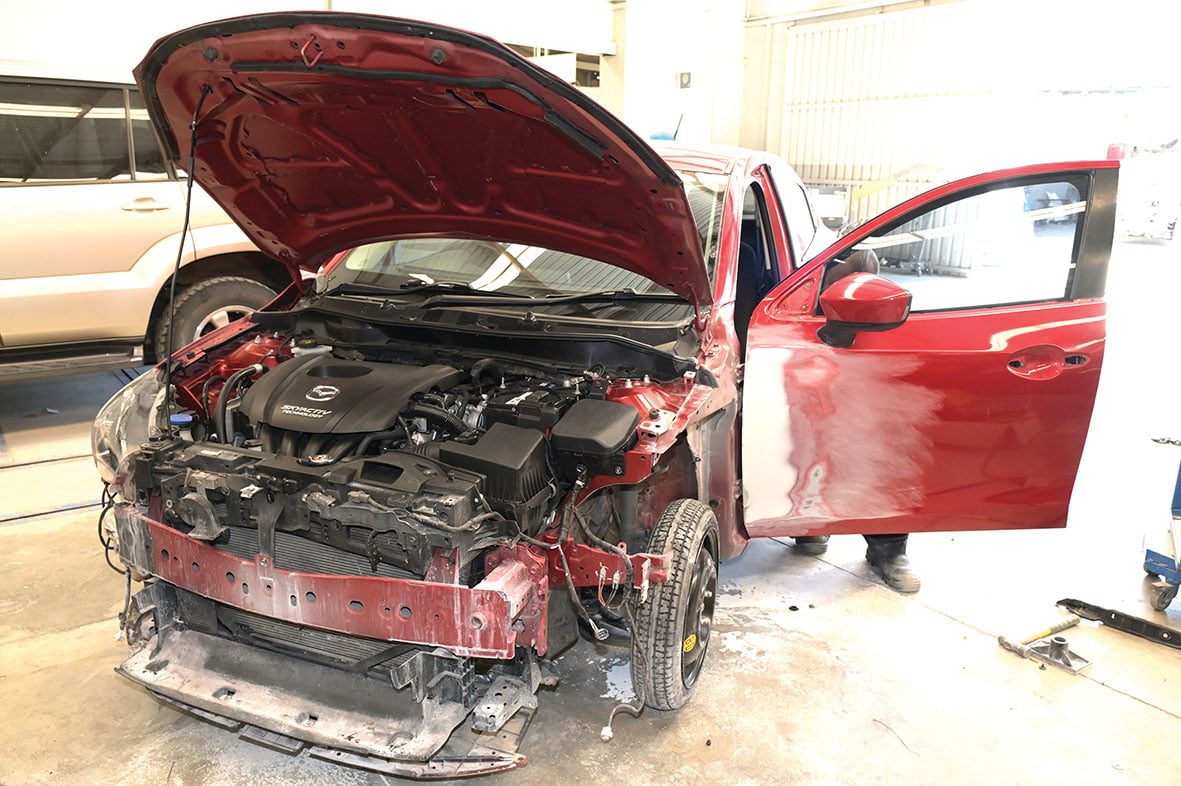
If you thought that South Africa was the only global market to be dealing at low profitability margins, we are clearly not the only nation of body shop repair concerns as a recent UK national has just revealed.
The result of the investigation showed that only 3% of insurance claims in repair shops were awarded the top rate of labour charge out rates. This in turn makes for poor relations with the close to 50% of the repairers surveyed, who were awarded the lowest level of repair rate charge out reward. A trades spokesman said that it was difficult to see the state of the industry looking so dismal. Final profitability is racked up at under 5% for body shops on the national average with above inflation repair cost per claim.
The fact is that insurance companies are disconnected with the state of play. Ever increasing technology is being fitted as standard to new cars, which in real terms means that body shops will need to continue to make major investments in their operations on equipment and the training of key staff to keep pace with these trends to repair these vehicles safely. The trade recommended hourly rate in the UK is of an average of some R1 000 per hour when converted into our local currency. This seems to be by and large a realistic request, mostly being ignored by the major insurance companies at this time. As is in South Africa, accident repair centres continue to fall as over 20% of noted closures in the last decade. This fact alone makes a case that it is imperative insurers, brokers and claims solution companies adopt a new strategy to work much closer to their supply chain to secure repair capacity with fair reward over the forthcoming years.
Specialist company Trend Tracker were also on record to say that overall costs of body accident repair will rise by no less than 14% per annum in the next five years. It is all quite staggering as these current above inflationary cost increases will continue to apply cost pressures with increased parts and energy costs as well as paint prices, which all stack up again probability, leading to a vehicle becoming an economic write-off, when the repair cost becomes too great.
Insurers now say that repair costs have seen a dramatic increase of some 40% in the last five-year period alone, pushed up by driver advanced assistance and the need for a new breed of highly competent repair staff to recalibrate final repair builds to original pre-accident levels.
Local business
The general terms of trade lie the escalating cost of both diesel and petrol fuels nationally are a clear reminder of just why it’s such a static business period on the local front. The landed cost of approximately fuel balloons to crazy levels that feed our burgeoning Tax revenue loss. These knock-on increases across food and daily staples makes it very difficult to pay bills. There is no sign of reprieve in moving to avert this runaway problem as local consumers come under great financial pressure. Instead, they remain detached from real life in South Africa.
On a much-appreciated lighter note, one of the highlights for this year was our sell-out conference held at Automechanika Johannesburg. It gave us a time to catch up with members, heads of industry, newcomers, and industry specific attendees. It is always good to keep good communication between us and our members and we always welcome solutions and feedback that we could add understanding and strategies going forward.
Story by: Steve Kessel