DRIVING CHANGE: TAKEAWAYS FROM THE AUTO BODY PARTNER NATIONAL ROADSHOW
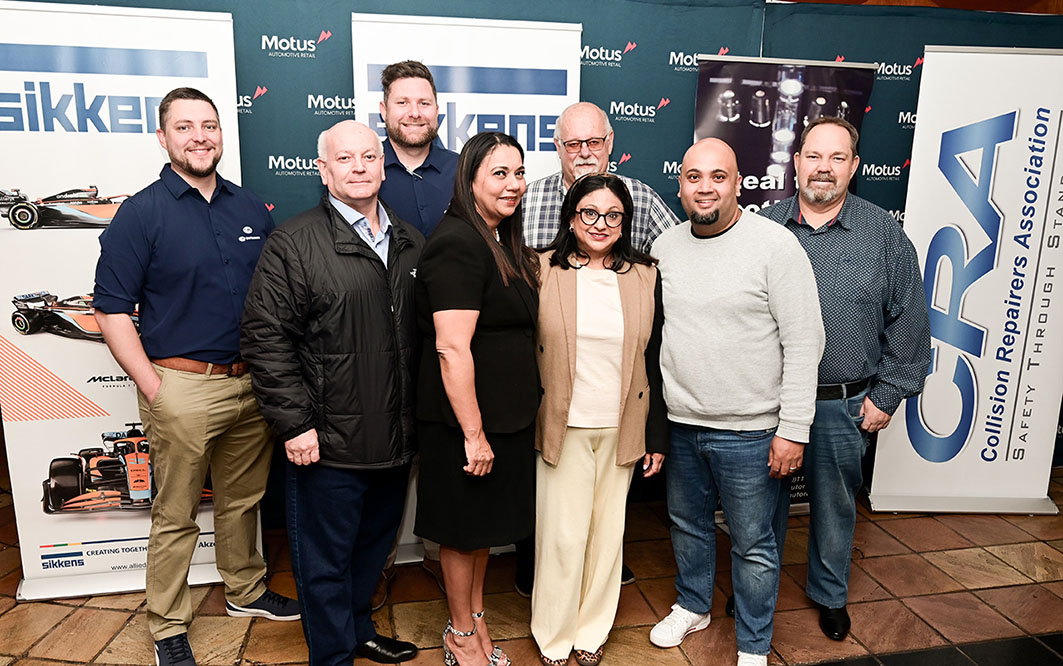
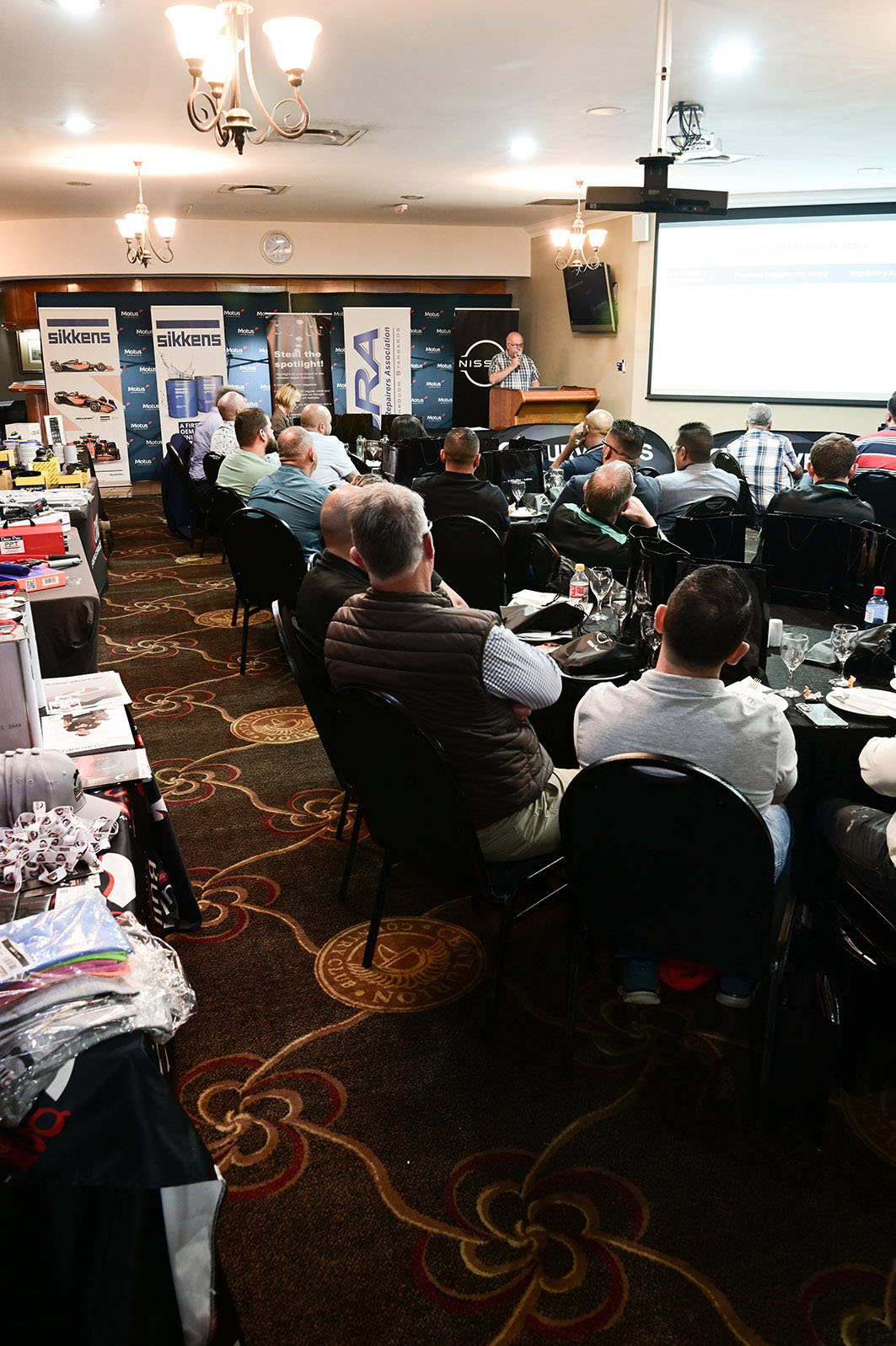
The Auto Body Partner Industry Roadshow recently concluded a high-impact tour across Durban, Cape Town, Johannesburg, Pretoria, and Bloemfontein. Facing an era of rapid technological shift and tightening commercial margins, the repair sector turned out in record numbers, bringing together body shop owners, insurers, brokers, OEMs, and technology suppliers under one roof.
The agenda comprised an array of speakers who were informative and relevant from Insurer representatives at OMI, Bryte Insurance as well as Telesure, who addressed their perspective of the future with strategies they are implementing to stay ahead of the curve based on the aggressive changes seen in the automotive aftermarket.
Embracing next-gen diagnostics and data
Modern vehicle architecture demands an immediate shift in workshop protocol. Technical specialist and our partner, Hella Gutmann emphasised that defined pre- and post-repair ADAS diagnostic scanning is no longer optional—it is the baseline for OEM compliance, fiduciary risk mitigation, and true vehicle safety reinstatement. Hella also highlighted the return of their OE-exact thermal management range, giving repairers direct access to premium replacement parts.
Data analytics provider Lightstone demonstrated how predictive trends and AI-assisted customer feedback systems are modernising shop-client engagement, proving that structured digital follow-ups yield significantly higher response rates and client satisfaction metrics. The overview of vehicle sales data was extremely informative and an aid to understand what may result in change to various vehicle makes in our repair facilities.
Digital ecosystems and claims acceleration
The event served as the launchpad for AiSterra Tech, introducing cloud-based software solutions designed to digitise internal shop operations and external procurement. Presenters Faghri Abrahams, Anesh Govender, and Tawfeeq Jamal detailed how platforms like Workshop Boss and Edge Parts form a real-time ecosystem—optimising labour tracking, vehicle throughput, and live parts sourcing.
In parallel, Solera Audatex presented the launch of Qapter Vanilla, an AI-driven damage quantification platform built on global claims data. By automating initial estimations, the technology aims to reduce friction and drastically accelerate the initiation process for both insurers and repairers.
OEM repair standards and network access
Representing Nissan SA, Aftersales Fleet and Approved Body Repair Manager Preea Singh outlined the brand’s expanding repair program, upcoming model facelifts, and new vehicle launches. Crucially, the audience welcomed news that Nissan’s program structure avoids excessive technical training costs for approved repairers, lowering the barrier to entry for compliant shops.
Commercial realities, compliance, and industry advocacy
Addressing the commercial pressures facing collision repairers, Deon Smith, National Chairman of the Collision Repairers Association (CRA), highlighted the widening gap between escalating compliance costs and stagnant commercial labour rates. He called for urgent industry-wide action to address margin compression and enforced parts procurement models that threaten workshop sustainability.
Closing the advocacy focus, CRA Operations Director Steve Kessell provided an update on the association’s Schedule 1 exemption application to the Competition Commission. The submission outlines a Proactive Strategic Framework for Sustainability, Technical Safety, and Quality in South Africa’s Collision Repair Sector—a move designed to establish fair trading conditions and protect the long-term viability of independent repairers.
The road ahead
The overwhelming turnout across all five regions underscores a clear reality: the South African collision repair industry is eager to collaborate, adapt, and elevate its operational standards. Bridging the gap between technological innovation and commercial fairness which will determine the sector’s future but importantly only through unity and a partnership for co-operation.
By Steve Kessel
Pics by Jay Groat